Sculpting Modernism
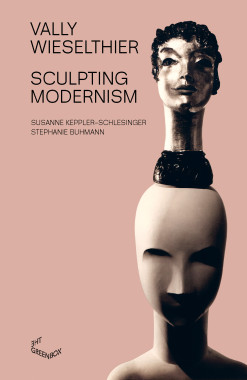
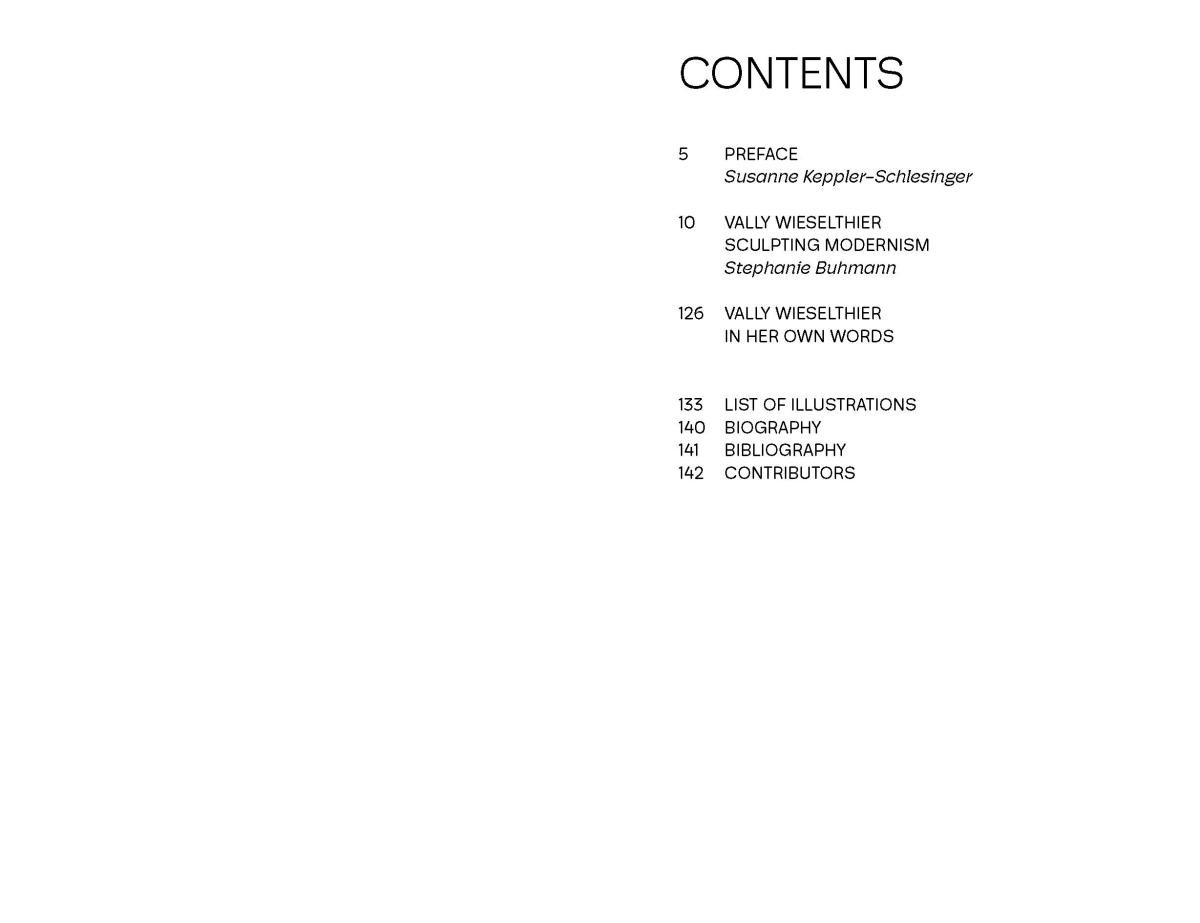
Expanding upon Vally Wieselthier: Sculpting Modernism, the first institutional solo exhibition on the artist in the United States (Austrian Cultural Forum New York, October 2025–February 2026), this publication presents 100 full-color images, many previously unseen, offering an unprecedented exploration of the Austrian-American artist who emerged as one of the most dynamic voices in early twentieth-century applied arts.
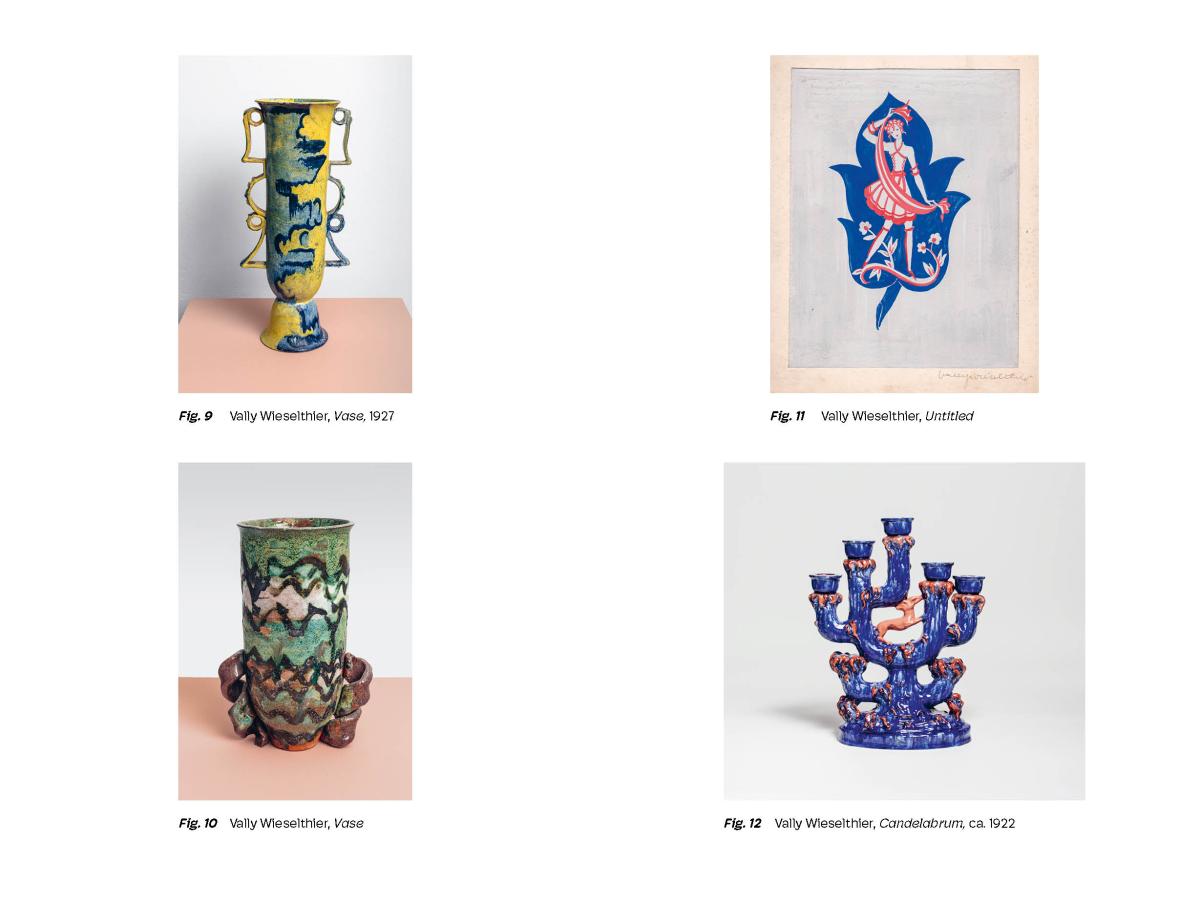
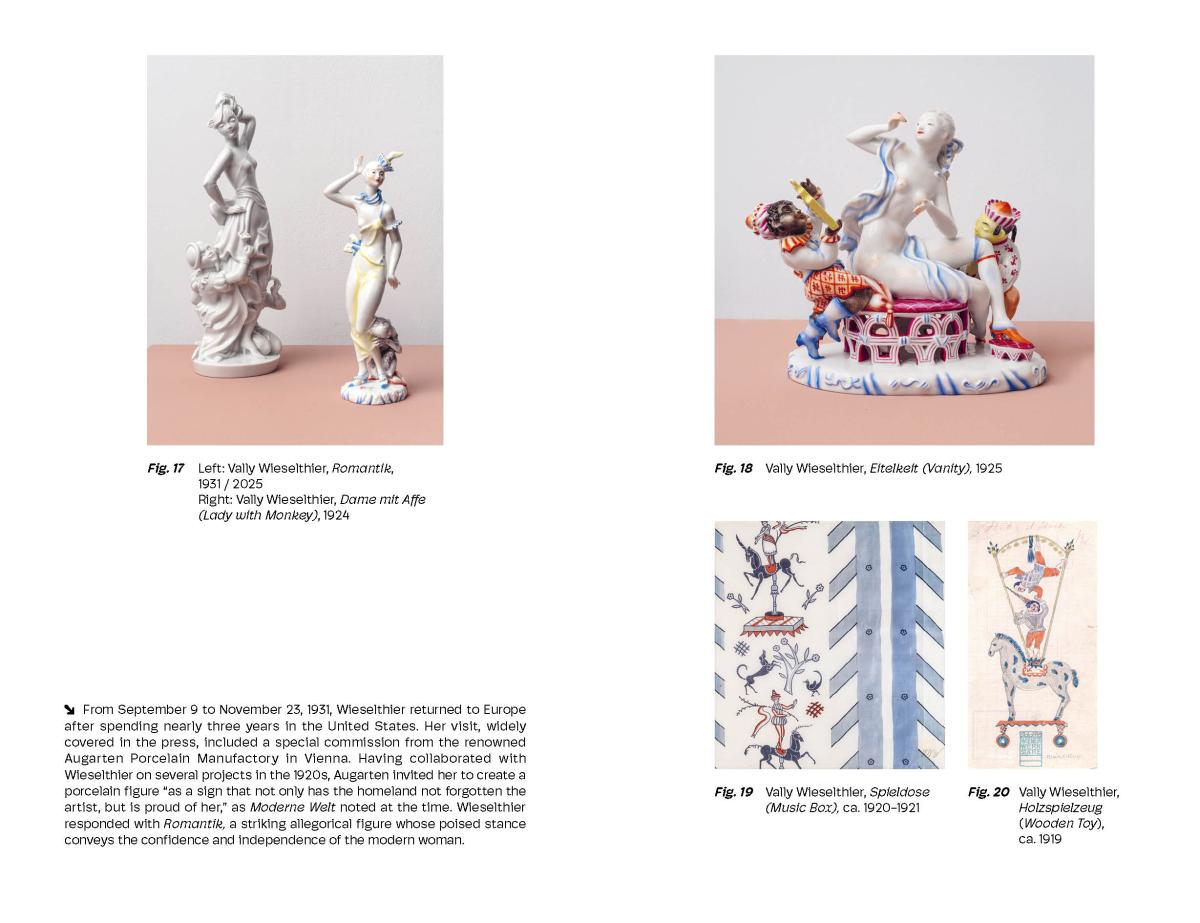
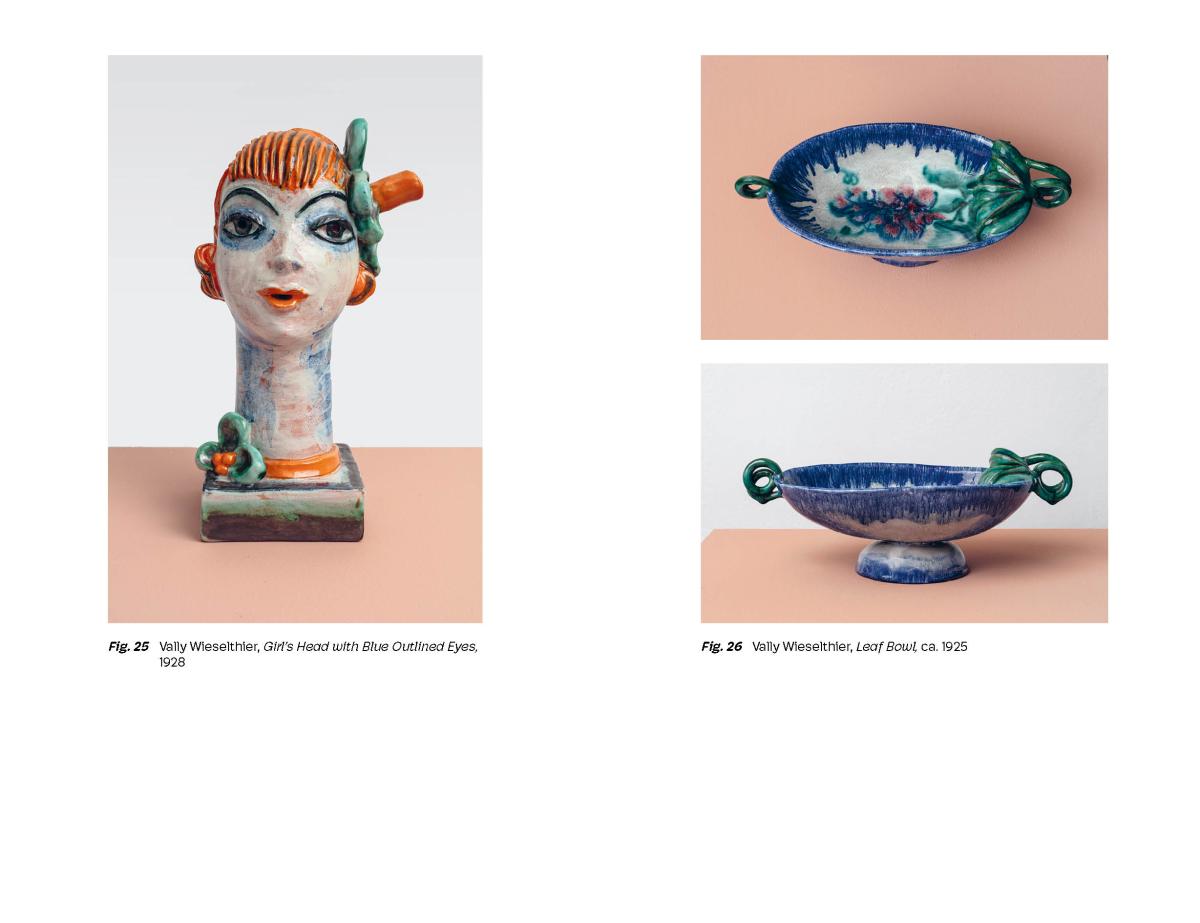
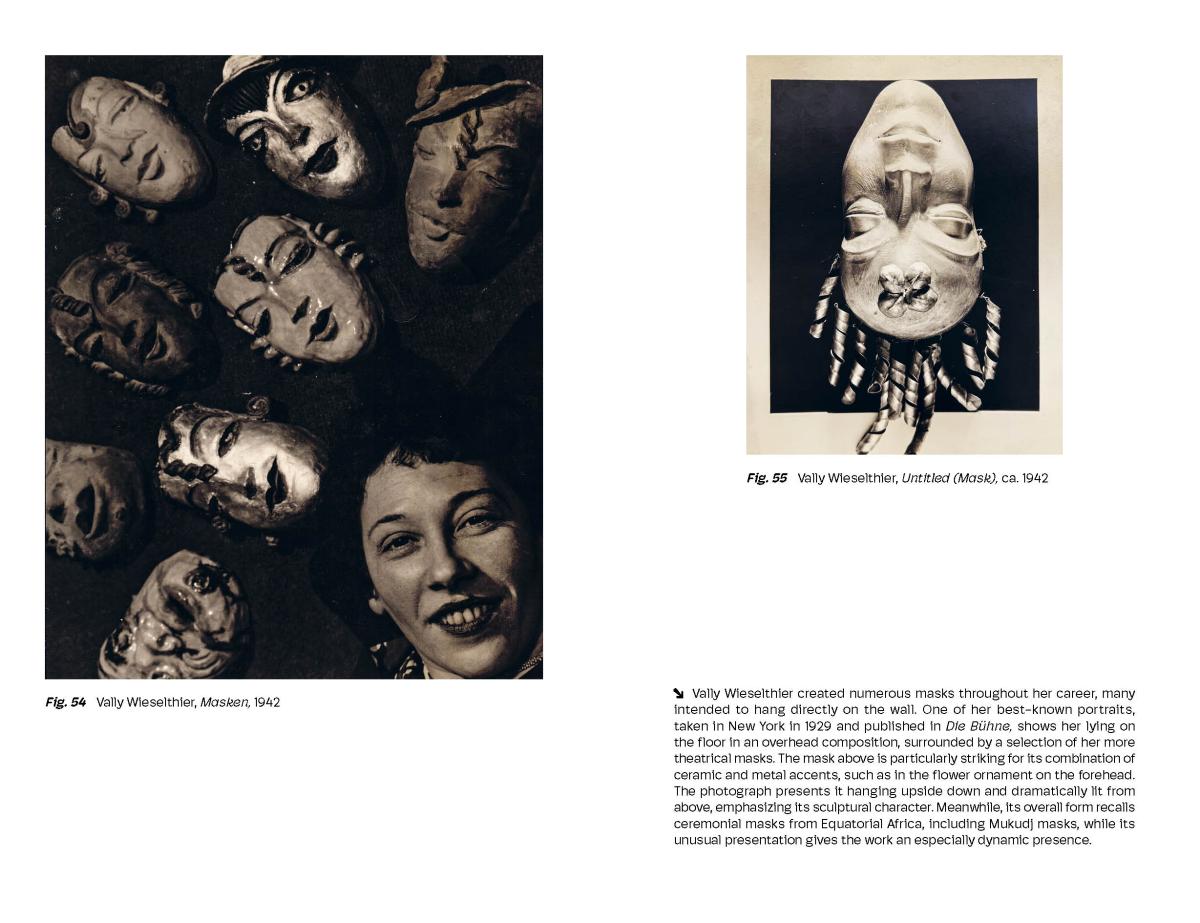
A leading figure of the Wiener Werkstätte, Vally Wieselthier defied conventions with her exuberant, often provocative designs that blurred the strict divide between fine art and craft. Her works are distinguished by exaggerated forms, vibrant colors, and playful irreverence, challenging traditional notions of femininity. Her radical approach to ceramics, in particular, showcased her ability to merge humor, sensuality, and artistic innovation, transforming clay into a medium of avant-garde expression.
Born in Vienna in 1895, Wieselthier trained at the Kunstgewerbeschule under Koloman Moser, Josef Hoffmann, and Michael Powolny. Initially drawn to fashion, she soon turned to ceramics, discovering a medium that offered both expressive freedom and technical experimentation. In 1915, she joined the Wiener Werkstätte’s experimental Artists’ Workshop, a revolutionary hub of collaborative creativity and applied arts innovation. There, she developed the bold, lyrical, and playful approach that would define her career. After establishing her own workshop in Vienna in the 1920s and earning a gold medal at the 1925 Exposition Internationale des Arts Décoratifs et Industriels Modernes in Paris, Wieselthier brought her visionary to New York.
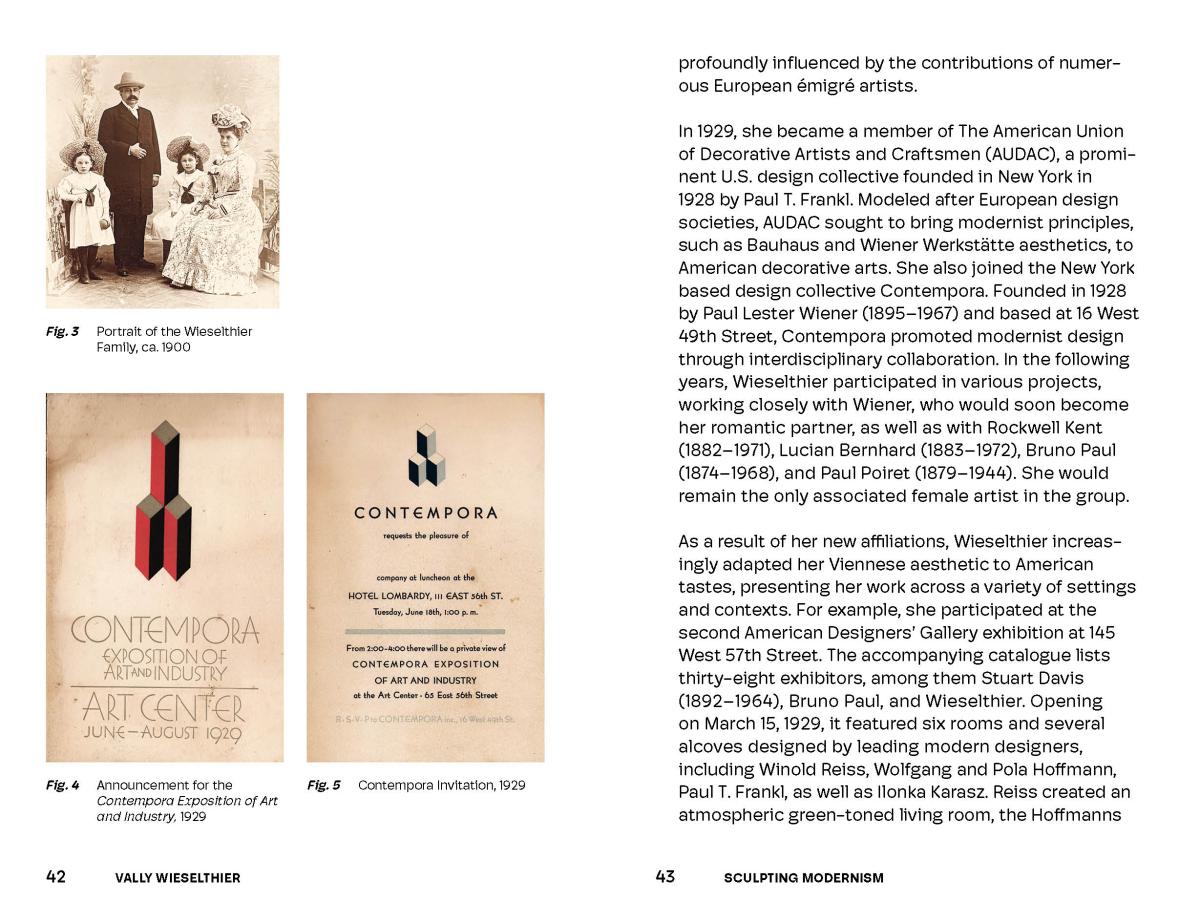
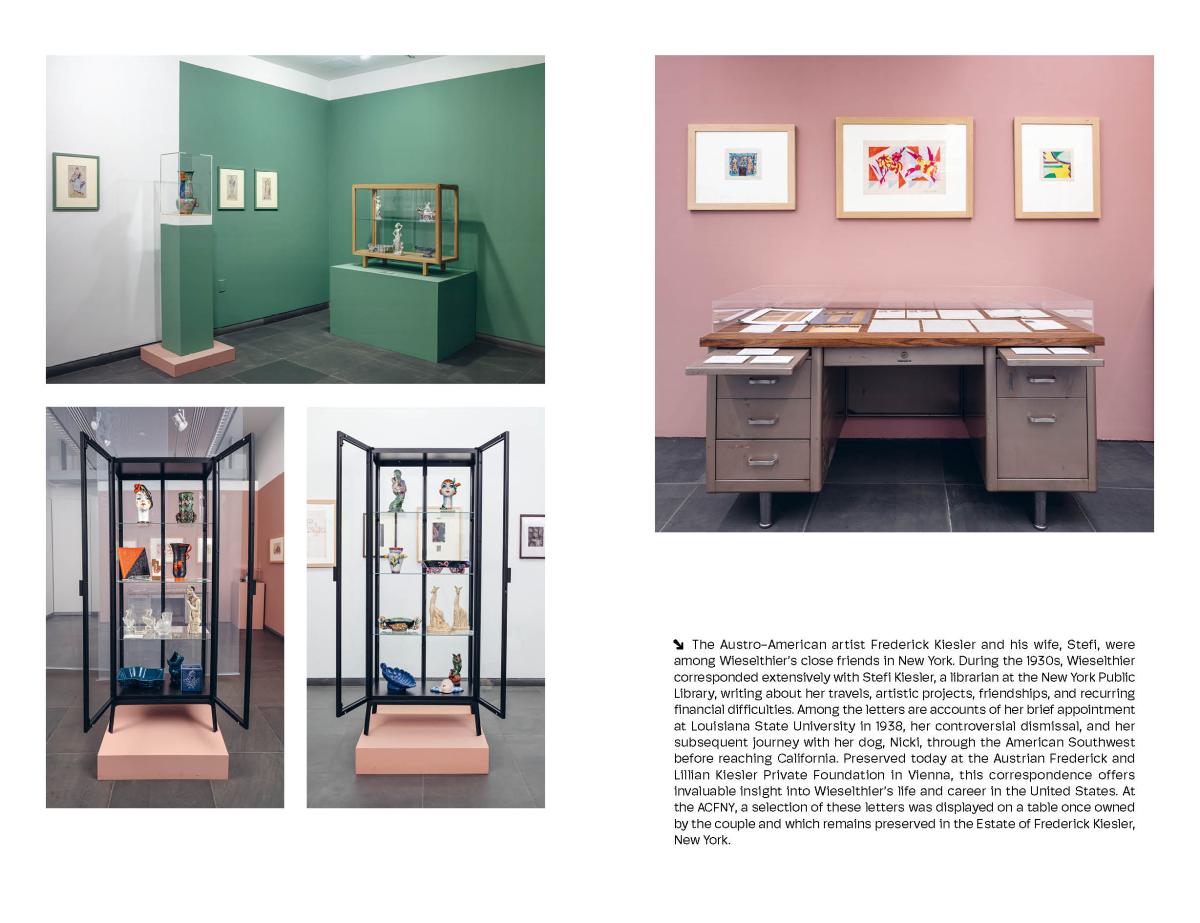
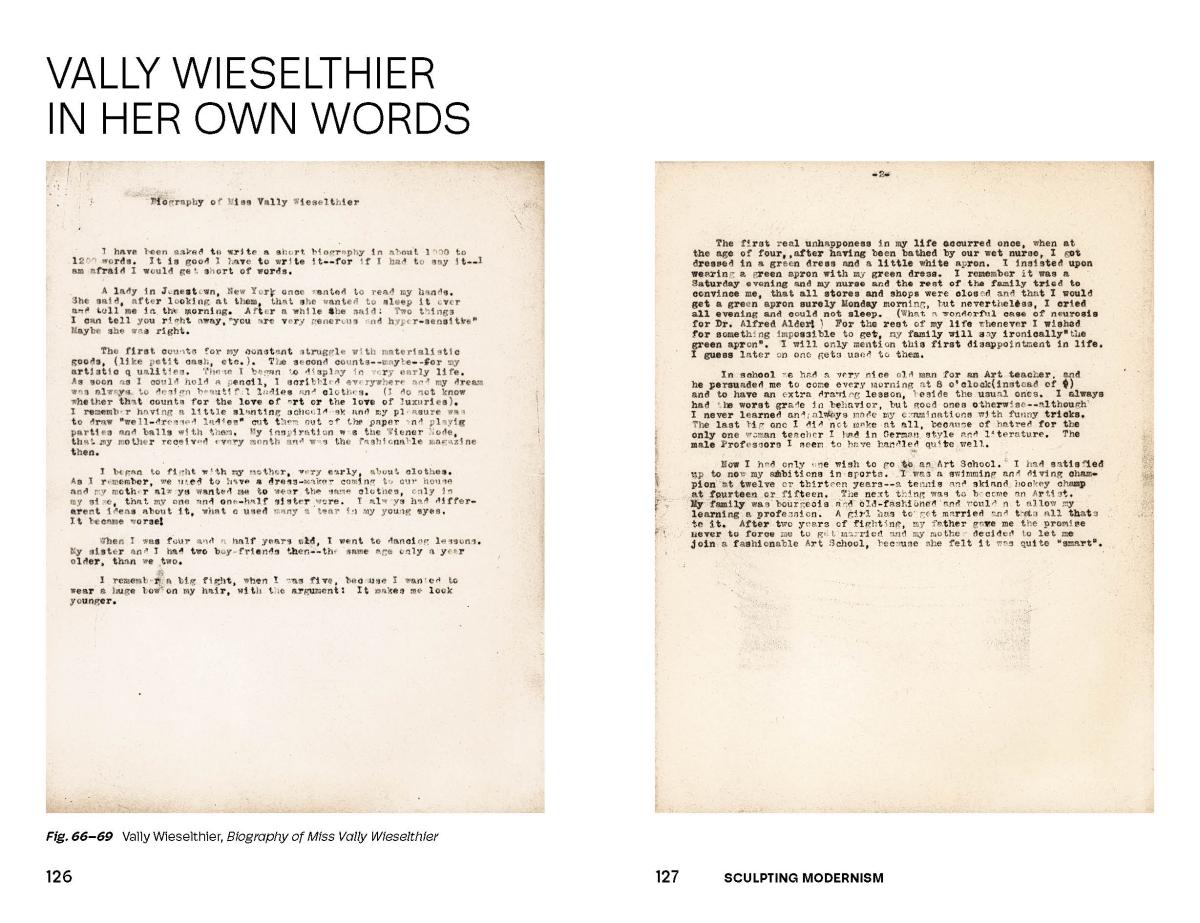
Based on new research and a trove of recently discovered documents, this publication sheds unprecedented light on Wieselthier’s American years, tracing how she confidently navigated the intersections of art, industry, and gender expectations in a rapidly changing cultural landscape. Beginning with her first visit to the United States in 1928, she introduced her avant-garde vision to a new audience. Quickly gaining recognition in New York, Wieselthier created bold, expressive sculptures that fused European modernism with the dynamism of American design. Her works, rich in humor and theatricality, continued to challenge traditional expectations of craft and femininity. In America, she worked independently as well as with major ceramic manufacturers and design collectives such as AUDAC and CONTEMPORA, playing a crucial role in shaping the aesthetics of modern decorative arts. She exhibited at the Metropolitan Museum of Art, the Whitney Museum of American Art, and at World’s Fairs in New York, Chicago, and San Francisco, among others, and designed store windows for Lord & Taylor and Gimbels.
Despite her premature death in 1945 at the age of 50, Vally Wieselthier emerged as a pioneering force whose visionary work transcended borders and disciplines. Bridging European modernist design and American decorative innovation, she redefined the possibilities of ceramics and applied arts. Through previously unpublished images and archival materials, this publication illuminates the boldness, originality, and lasting influence of her practice, an enduring inspiration for generations of ceramicists, designers, and visual storytellers who continue to draw from her radical imagination.
With text contributions of the editors Dr. Susanne Keppler-Schlesinger and Dr. Stephanie Buhmann.